7 Essential Ways to Protect Young Athletes from Concussions
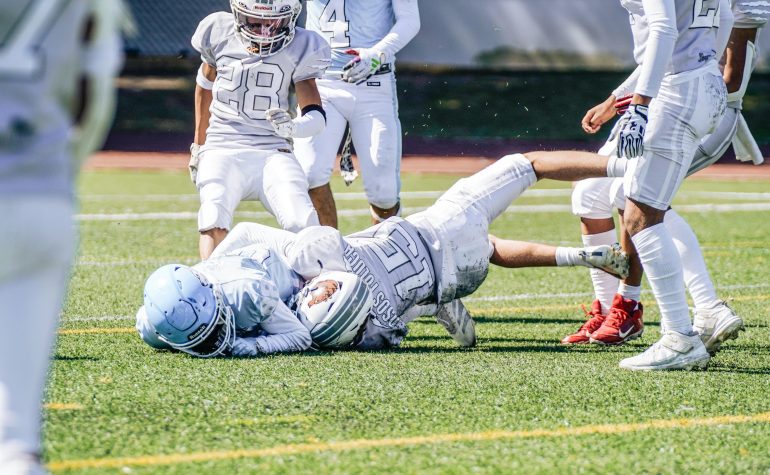
Every coach wants to protect young athletes, but concussions make that harder than it looks. Picture this. A 12-year-old takes a hard hit during a tackle football game. He gets up slowly, shakes his head, and tells his coach he is fine. So the coach sends him back in.
Two plays later, the same kid takes another hit. This time, he does not get up.
Sadly, that scene plays out on youth sports fields every week. However, it does not have to.
Concussions rank among the most serious risks in youth sports. In fact, the CDC estimates 1.6 to 3.8 million sports-related concussions happen each year in the United States. Young athletes are especially vulnerable, because their brains are still developing. As a result, a concussion can hit them harder and linger longer than it would in an adult.
After more than 50 years insuring youth sports programs at Bene-Marc Youth Sports Insurance, we have seen how preparation makes the difference. So here are seven steps every league director, coach, and camp operator can take to protect young athletes from concussions.
1. Adopt a written concussion protocol
First, put a concussion protocol in writing. It should spell out clear steps: how to spot a possible concussion, how to remove the athlete from play, how to notify parents, and how to require medical clearance before a return.
Do not rely on coaches to decide on the fly. A written protocol takes the guesswork out of a high-pressure moment. Better yet, it protects everyone involved.
2. Train every coach, assistant, and volunteer
Next, train your people. A protocol only works if the adults on the field know how to follow it. Therefore, require all coaches and volunteers to finish concussion awareness training before the season starts. For example, the CDC’s HEADS UP program offers free online courses built for youth sports coaches.
3. Enforce a strict removal policy
“When in doubt, sit them out” is the gold standard. If a player shows any sign of a concussion, pull them right away. Watch for headache, dizziness, confusion, nausea, sensitivity to light, or just seeming “off.” There are no exceptions.
Returning too soon raises the risk of a far worse brain injury. So this is not the athlete’s call, or the parent’s, or even the coach’s. Instead, make it a policy-level decision.
4. Require medical clearance for return to play
No athlete should return after a suspected concussion without written clearance from a licensed provider. Moreover, this is not only a best practice. In most states, it is the law.
Make sure your coaches and parents know this rule before the season starts. It protects the athlete, and it protects your program. If an injury does happen, our guide on what to do when a player gets hurt walks through the next steps.
5. Use proper, well-maintained equipment
Helmets and pads should fit correctly and meet current safety standards. So inspect gear often, and replace anything damaged, outdated, or ill-fitting.
Of course, equipment alone cannot prevent concussions. Still, it can reduce the force of impacts. Paired with good coaching and firm rules, solid gear is one more way to protect young athletes.
6. Teach safe techniques from day one
In contact sports like youth tackle football, good technique is one of the best ways to cut head injuries. For example, programs like Heads Up Football lower concussion rates by teaching shoulder-led tackling and reducing head-to-head contact.
In every sport, coaches should stress body control, spatial awareness, and respect for the rules. After all, many concussions come not from the sport itself, but from reckless or untrained play.
7. Protect young athletes with the right insurance
Even with every precaution, concussions can still happen. That is where excess accident medical coverage comes in. It helps pay a participant’s medical bills after an injury during a covered activity, filling the gap beyond the family’s health plan.
Concussion treatment can mean ER visits, neurological evaluations, follow-up appointments, and extended rest. Those costs add up fast. Fortunately, excess accident medical coverage through Bene-Marc Youth Sports Insurance helps make sure families do not face surprise bills. New to coverage? Our step-by-step guide on how to insure a youth sports team is a great place to start.
For youth football programs, Bene-Marc Youth Sports Insurance covers participants up to age 15. For all other sports, coverage extends to age 18.
How insurance helps protect young athletes
Imagine a youth tackle football league with 300 kids. Midway through the season, a 13-year-old takes a helmet-to-helmet hit during a game. The coaches follow the protocol: they pull the player right away, call the parents, and document the incident. Then the family heads to the ER, where a doctor diagnoses a mild concussion.
Because the league carried excess accident medical coverage, that coverage paid the family’s out-of-pocket costs for the ER visit and the follow-up neurologist appointments. As a result, the player returned three weeks later with written medical clearance.
That is how it should work. The coaches followed the protocol. The coverage was ready. And the child recovered safely.
As Robert Williams, one of our clients, shared, “My organization has worked with Bene-Marc for many years, and we have always found Lisa and her team so easy to work with. The response time is really fast, their attention to detail is impeccable.”
Protect young athletes, protect your program
In short, concussion prevention is a leadership job. The programs that take it seriously protect young athletes, earn the trust of parents, and lower their exposure to costly claims.
At Bene-Marc Youth Sports Insurance, we help thousands of youth sports programs across all 50 states prepare for the unexpected. Whether you need general liability, excess accident medical, or sexual abuse and molestation coverage, we are here to help.
Call us at 800-247-1734 or visit bene-marc.com. A real person will answer the phone.
Play hard, rest easy, knowing you are covered.
For free concussion training resources, visit the CDC’s HEADS UP program.