How to Get High School Sports Insurance: 7 Easy Tips

High school sports build leaders, teammates, and lifelong memories. They also bring real risk. The right high school sports insurance protects athletes, schools, and volunteers when accidents happen. As a result, you can focus on the season instead of the worst case. At Bene-Marc Youth Sports Insurance, we help programs build coverage that fits.
What high school sports insurance covers
First, there is no single policy that covers everything. In fact, most schools and athletic programs need several coverages working together. Because risks range from sideline injuries to crowd incidents, a layered approach works best.
Next, think about who is involved. Athletes, coaches, referees, parents, and spectators all create different exposures. As a result, the right high school sports insurance combines liability, accident, and property protection.
7 easy tips for building high school sports insurance
1. Start with general liability
General liability is the base layer. It helps pay if a fan is hurt or property is damaged at a game. For example, a guest who slips on a wet bleacher can file a claim. Because crowds gather at every contest, this layer is essential.
2. Add accident medical coverage
Athletes can be hurt despite the best safety plans. Accident medical coverage helps pay for treatment after a sports injury. As a result, families avoid the full out-of-pocket cost. In addition, this coverage often acts as primary or excess to family health plans.
3. Protect physical assets with commercial property
Schools own gyms, fields, scoreboards, and gear. Commercial property insurance helps replace these items after a covered loss. For example, vandalism, fire, or storm damage can quickly affect operations.
4. Consider accidental death and dismemberment
While rare, severe injuries do happen in athletics. This coverage helps the family of an athlete who suffers a catastrophic loss. Because no parent should face this alone, this coverage matters.
5. Cover staff with workers compensation
Coaches, athletic trainers, and game-day staff are workers. Workers compensation covers medical bills and lost wages for job-related injuries. As a result, your school meets state requirements and protects its team.
6. Address abuse and employment practices
Abuse liability coverage helps if a participant alleges harm by a coach, trainer, or volunteer. Employment practices liability helps with discrimination or wrongful termination claims. In addition, both layers are common asks from school boards today.
7. Plan for transportation
Buses, vans, and parent drivers carry teams to games. Commercial auto insurance helps when accidents happen on the road. Because travel is part of every season, this coverage often gets missed.
A real high school story
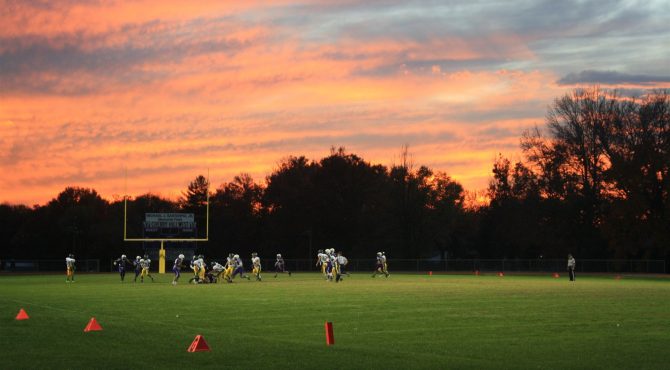
A high school football program we serve faced a major claim after a sideline collision. Before coverage was in place, the school feared a long lawsuit. Because they had layered liability and accident coverage, the medical bills and legal costs were handled. As a result, the program kept playing, and the athlete got the care they needed.
Why insurance matters at the high school level
Even the most careful programs see incidents. In fact, one play, one fall, or one storm can shift a budget for years. As a result, high school sports insurance has moved from optional to essential. Our friends at Aspen Institute Project Play publish strong research on safety in youth and school sports.
Helpful Bene-Marc Youth Sports Insurance resources: review options for K-12 and high school programs, explore leagues and tournaments, or read more on our blog.
Get high school sports insurance today
High school sports insurance does not have to be confusing. Our team will listen, ask the right questions, and build a portfolio that fits your school. Call Bene-Marc Youth Sports Insurance at 800-247-1734 or visit bene-marc.com to start today.
This article is for informational and educational use only. It is not exhaustive and should not be construed as legal advice. Please contact your insurance professional for further information.